
Lost Note Academy · Mar Vista, Los Angeles
Music Lessons for Kids — Starting at Age 5
Private, one-on-one lessons for children ages 5 to 17, taught by a California-credentialed teacher who has worked with young students for more than 20 years.
Free, no obligation — book online or just call and ask. Prefer a full first lesson? The 30-minute trial is $50.
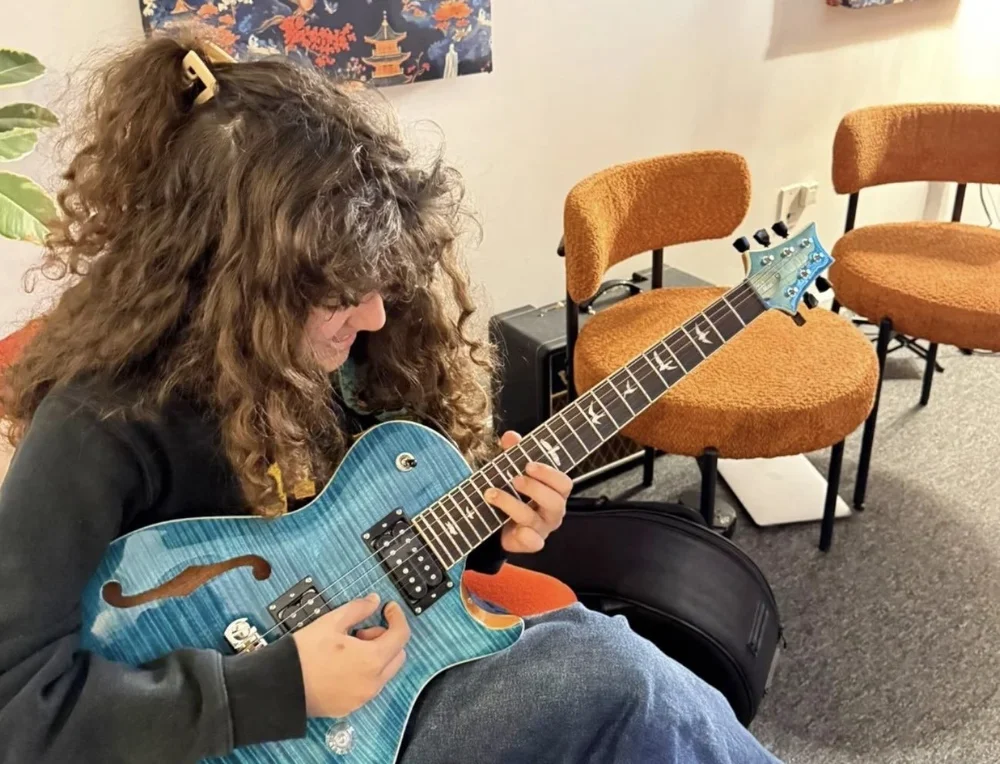
Four instruments, one teacher
Which Instrument Should My Child Start On?
There is no single right answer — but there is a right answer for your child, and it usually comes down to their age, their hands, and the music they already love. Here is how we think about it.
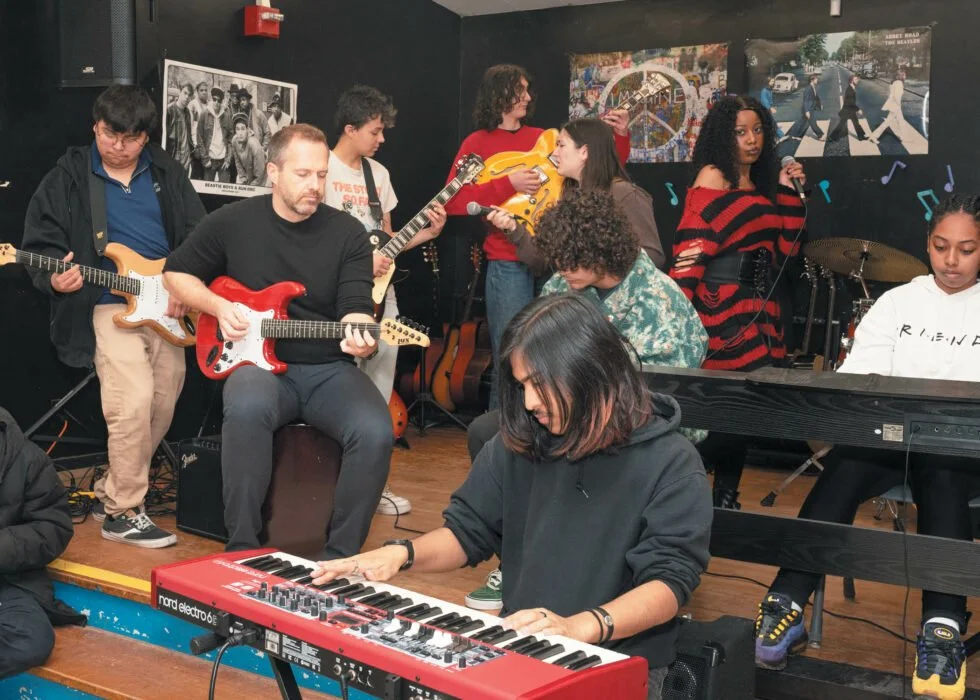
Guitar · from age 5–6
Guitar
The instrument most kids ask for by name. Needs enough finger strength to press a string down, which is why we usually start around five or six. Nylon-string classical guitars are gentler on young fingertips than steel.
Ukulele · from age 5
Ukulele
The easiest first string instrument there is. Four soft nylon strings, a small body, and a real song within the first few lessons. Often the best choice for a five-year-old — and it transfers directly to guitar later.
Piano · from age 5
Piano
No finger strength required and the note you press is the note you get, so progress is visible from day one. It also teaches reading and theory more clearly than anything else, which makes every later instrument easier.
Bass · usually from age 9
Bass
Longer neck and heavier strings, so it suits bigger hands — short-scale basses bring that down to around eight or nine. Rewarding fast: one line, played well, and the whole band sounds better.
Not sure? Bring your child to the free trial and we will try more than one. Fifteen minutes usually settles it, and switching later is normal — plenty of our students start on ukulele and move to guitar, or start on piano and add a second instrument once they can read.
The question every parent asks first
Is My Child Old Enough for Music Lessons?
Usually around five or six — but age is the least useful part of the answer. What actually matters is three things, and you can check all of them at your kitchen table this afternoon.
Hand strength
For guitar or ukulele, pressing a string to the fretboard takes real finger pressure. If your child can press a fingertip firmly against a tabletop and hold it, they are ready. Piano needs none of this — which is often why we suggest it first.
About twenty minutes of focus
Not thirty, not an hour. If they can stay with a puzzle or a Lego build for twenty minutes with an adult alongside, a 30-minute lesson will work.
Their own interest
The children who stick with music are the ones who asked. A song they want to play is a stronger signal than any birthday.
If your child is four, or five and not quite there yet, we will tell you. Starting a year later and loving it beats starting now and quitting by Christmas — we would rather you came back in six months than have your child decide music is not for them.
And if you are not sure, book the free 15-minute trial. It costs you nothing, it takes less time than the drive, and fifteen minutes with a teacher who has done this for twenty years will tell you more than any checklist will.
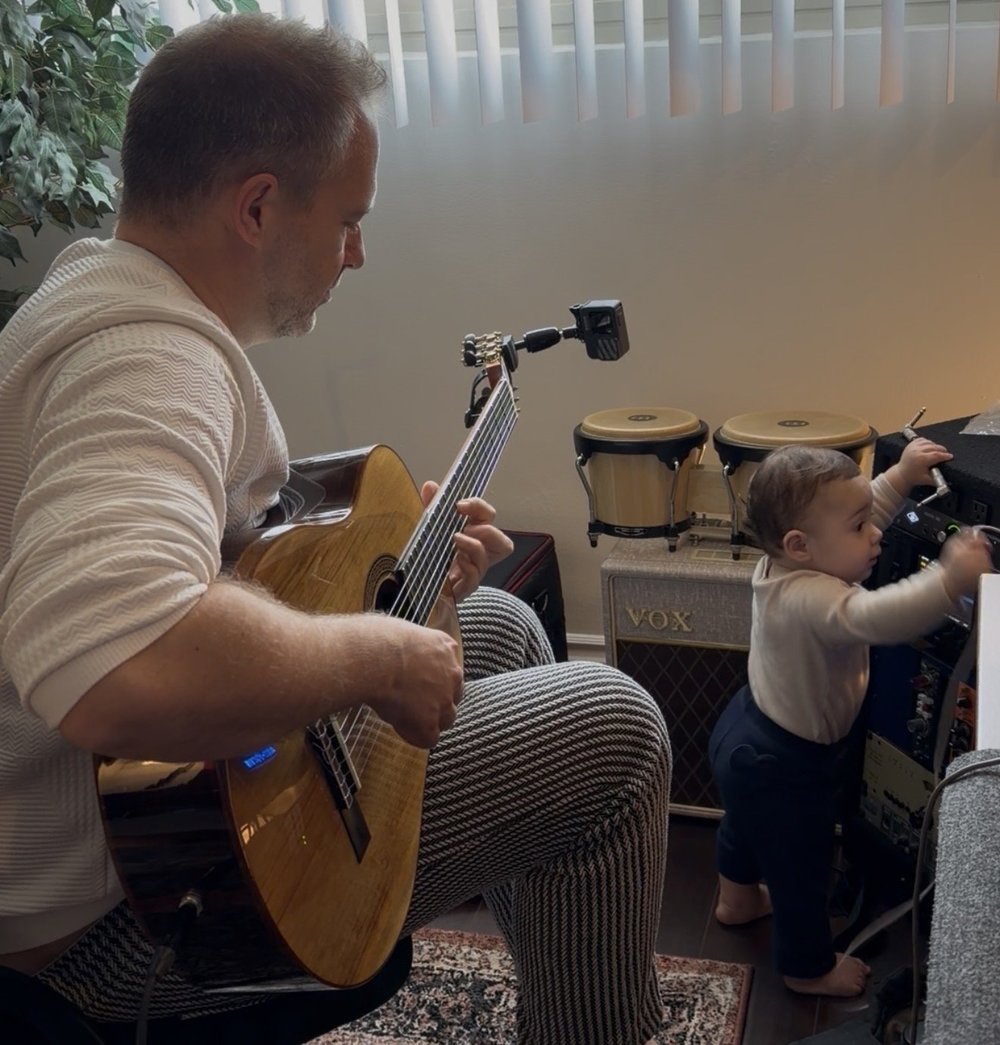
Who teaches your child
A Licensed Teacher, Not Just a Musician
Most music schools hire performers and hope they can teach. There is a difference, and it shows up fastest with young children.
Markus Illko holds a California Single Subject Teaching Credential — the same state licence required to teach music in a California public school. Alongside it, he has spent more than twenty years teaching children from age five.
That combination is the point. The credential is the training and the accountability. The twenty years are what tell him when a six-year-old is about to lose focus, and what to do in the thirty seconds before it happens.
In practice it looks like this: a lesson that changes pace before your child drifts. Correction that sounds like coaching rather than criticism. Small goals set week by week, so your child experiences progress instead of being told about it.
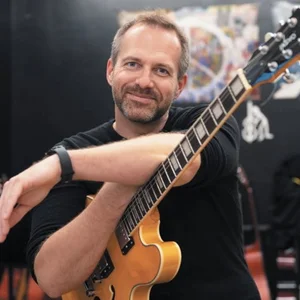
Ages 5 to 17
What Lessons Look Like at Each Age
Lesson length and structure change as hands, attention, and taste in music change.
30 minutes weekly
Short blocks — a few minutes on a skill, then a song, then a game that is secretly an ear-training exercise. First goals are simple and physical: a clean note, a steady pulse, a melody they recognise. Parents are welcome to sit in, and at this age we usually recommend it.
30 or 45 minutes
Hands are bigger and focus is longer, so technique starts to compound: full chords and both hands together, reading rhythm, and the first real songs start to finish. Most students pick a direction here — and this is the age most kids who want bass are ready for it.
45 or 60 minutes
Many teens arrive having taught themselves off YouTube and hit a wall. The gaps are usually rhythm, technique, and knowing why anything works. We fill those in without making it feel like a second round of school — and teens who want to play in a band get the skills to hold their part.
Before you buy anything
What Size Instrument Does My Child Need?
The most common mistake parents make is buying a full-size instrument for a small child so they will grow into it. Something too big is uncomfortable, discouraging, and physically harder to play — it is one of the main reasons kids quit in the first three months.
| Instrument | Typical age | What to look for |
|---|---|---|
| Guitar | 5–6 | 1/4 size at 5–6, 1/2 size at 6–8, 3/4 size at 9–12, full size from about 12. Nylon strings are kinder to young fingertips. |
| Ukulele | 5+ | Soprano is the standard starting size and fits almost any child. Concert size suits older kids and bigger hands. |
| Piano | 5+ | An acoustic piano if you have one. If not, a digital keyboard with 88 full-size weighted keys — weighted matters more than brand. |
| Bass | 9+ | Short-scale bass from around 8–9, full scale from roughly 12–13. Try before you buy; weight and reach vary a lot. |
Height and arm length matter more than age. If your child is small or tall for their age, size to the child.
You do not need to buy anything before the trial lesson. We keep instruments at the studio, and we lend them to students who need one — just ask. Bring your child in, we will check the fit in two minutes, and you will leave knowing exactly what to look for and what it should cost.
Setting expectations
How Much Practice — Honestly
Far less than most parents expect. Consistency beats duration at every age, and it is not close.
a day, four or five days a week
a day, five days a week
and by this point it is usually self-driven
A child who practises ten minutes five times a week progresses faster than one who does an hour on Sunday. Your job as a parent is not to supervise the practice — it is to make it easy to start. Leave the instrument out where they can see it, on a stand or with the keyboard lid up, not in a case under a bed. That one change does more for a child’s progress than any amount of reminding.
Every lesson ends with a specific, small assignment — usually one thing, always musical. Not a book of exercises.
Performance
Your Child Will Have Something to Play For
Our students perform at recitals.
A date on the calendar changes how a child practises. Abstract progress is hard to care about at seven; playing a song in front of people you know, and getting it right, is not. Most of the confidence parents notice after a year of lessons traces back to a recital.
Performing is encouraged and never required. A child who is not ready comes and watches, and usually plays the next one.
The thing nobody else will tell you
What If My Child Wants to Quit?
Most children want to quit at some point — usually somewhere between month three and month six, when the beginner novelty has worn off and the next skill is harder than the last one.
This is normal and it is predictable, which means it is manageable. It is usually one of three things: the music stopped being music they chose, the instrument does not fit them properly, or a specific technique got frustrating and nobody noticed. All three are fixable in a lesson or two — but only if you tell us. Parents often wait until the child has already decided.
So tell us early. Email, text, or catch us after a lesson. We would rather adjust the plan than lose a student who was two weeks away from the breakthrough.
Studio, home, or online
Three Ways Your Child Can Take Lessons
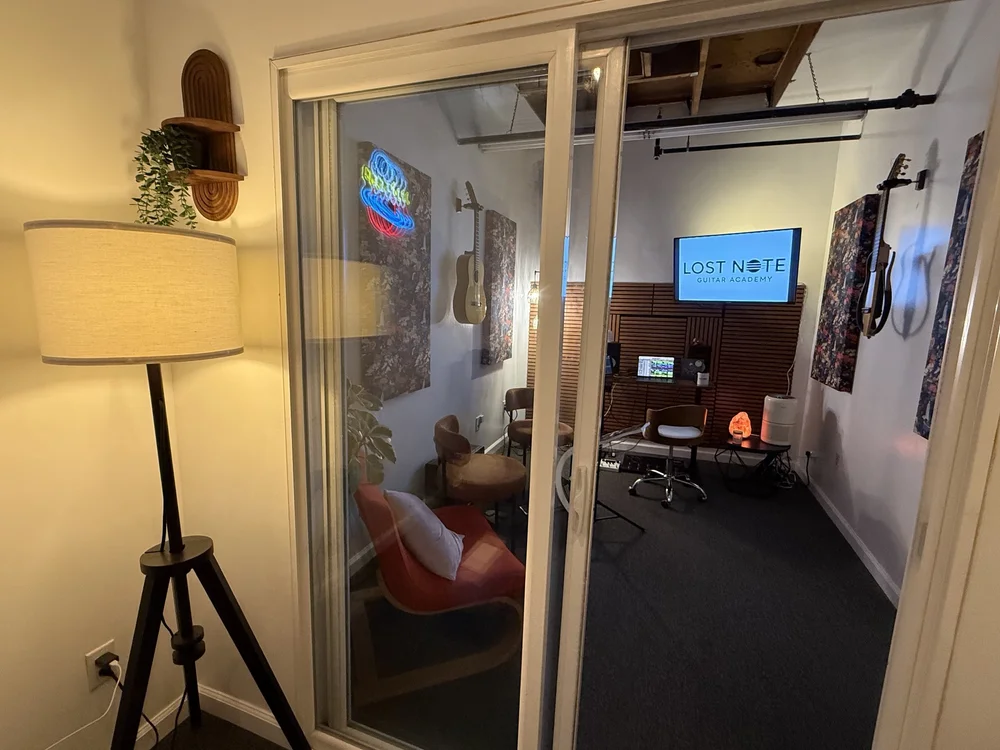
At our Mar Vista studio
3863 Grand View Blvd — a dedicated teaching room with instruments, amps, and recording gear, and no distractions. Parents are welcome to sit in or wait nearby.
In your home
We come to you across West Los Angeles. An additional charge applies. Popular with younger children and with families running more than one student.
Online
Over Zoom. Works well for teens and focused older kids. For children under about eight we usually recommend starting in person and moving online later if you need to.
Monthly membership
What Kids’ Lessons Cost
| Weekly lesson | Associate Coach | With Markus (Master Coach) |
|---|---|---|
| 30 minutes | $210/mo | $350$260/mo |
| 45 minutes | $290/mo | $450$370/mo |
| 60 minutes | $370/mo | $550$480/mo |
Lessons are monthly memberships, billed automatically — that is what reserves your child’s weekly time slot with the same teacher every week. Cancel any time with 30 days’ notice. In-home lessons carry an additional charge.
Where it leads
What Will Your Child Learn to Play?
Before you book
Parent Questions
What is the youngest age you teach?
What is the difference between the free trial and the paid one?
Can my child try more than one instrument?
Do I need to stay during the lesson?
Do we need to buy an instrument first?
How soon will my child be able to play a song?
Practical details
Where to Find Us
- Address
- Lost Note Guitar Academy
3863 Grand View Blvd, Los Angeles, CA 90066 - Phone
- +1 856-383-8372 — call or text
- Area
- Mar Vista, minutes from Culver City, Venice, Santa Monica, Palms, Del Rey, and Playa Vista.
- Mon–Fri
- 8:00am – 8:00pm
- Saturday
- 9:00am – 6:00pm
- Sunday
- 9:00am – 12:00pm
Two ways to start
Book a Free 15-Minute Trial
Fifteen minutes, free, no obligation. Your child plays, we check whether the timing and the instrument fit are right, and you get a straight answer either way. Prefer a full first lesson? The 30-minute trial is $50 — both are on the calendar, and you can always call or text instead.
Not sure if your child is ready? Call or text +1 856-383-8372 and we will talk it through — we will tell you honestly if we think it is worth waiting a few months.