
THE BEST BEGINNER GUITAR (2026 edition)
If you are stepping into a guitar store or browsing online in 2026, the sheer volume of options can be incredibly overwhelming. You have entry-level instruments battling for supremacy on one side, and high-end manufacturers pushing the absolute physical boundaries of the instrument on the other.
Whether you are bringing a guitar to a beachside retreat, taking your first steps in a music classroom, or you are a seasoned player looking for maximum headroom, this is the unvarnished take on what actually matters under the hands.
Here is the 2026 State of the Union, covering the best beginner acoustics to get you started, and the high-end heavy hitters defining the cutting edge.
Part I: The Best Beginner Acoustics (Steel String)
When you are just starting out, only two things truly matter: how it feels and how it sounds. In the $200–$600 range, you want a comfortable neck and, ideally, a solid wood top that will vibrate freely and open up as the wood ages.
1. Yamaha FG800: The Undisputed Heavyweight
If you ask a hundred guitar teachers which acoustic to put in an adult beginner's hands, the vast majority will point here. Yamaha has been refining the FG line for over fifty years.
Why it works: It features a solid spruce top and scalloped bracing, giving it a remarkably loud, punchy low-end that you usually don't find at this price point.
The Reality Check: It is a full-sized dreadnought. If you have a smaller frame, the depth of the body might feel like a wrestling match during your first few weeks.
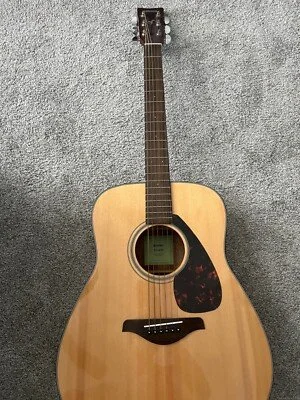
Yamaha FG800
2. Fender CD-60S: The Comfort King
Fender's CD-60S is the closest direct competitor to the FG800, and it excels in one very specific, beginner-friendly area: neck comfort.
Why it works: Fender designed this with gently rolled fingerboard edges. This makes a massive difference when you are learning open chords and haven't built up your calluses yet.
The Reality Check: The low-end bass response isn't quite as booming or resonant as the Yamaha, but the playability trade-off is often worth it for new hands.
3. Taylor GS Mini: The Premium Portable
If your budget stretches a bit further, the GS Mini is arguably the best value in the acoustic world. While billed as a "travel guitar," it is a legitimate instrument that punches well above its weight class.
Why it works: The scaled-down body is incredibly easy to hold, and the shorter neck scale reduces string tension. The arched back design gives it a surprisingly big, resonant sound.
The Reality Check: It is significantly more expensive than the entry-level Yamahas and Fenders.

Taylor GS Mini
Part II: The 2026 Cutting Edge
If you are past the beginner stage and looking at the 2026 releases, let's ditch the standard, glossy spec-sheet recital. This is about what happens when you push the technical boundaries of the instrument.
The Acoustics: Headroom and Surgical Precision
Martin Super D-18 & Super HD-28
Martin essentially stopped being polite this year. Moving the Super D shape into the Standard Series isn’t just about raw decibels; it is about absolute headroom. When you are digging into complex, percussive fingerstyle arrangements, standard dreadnoughts can compress and muddy your low end. This chassis gives you 20% more internal air volume. The result? Those rapid-fire bass lines stay remarkably articulate and punchy without ever washing out the treble melody. It takes whatever dynamic force you throw at it without flinching.
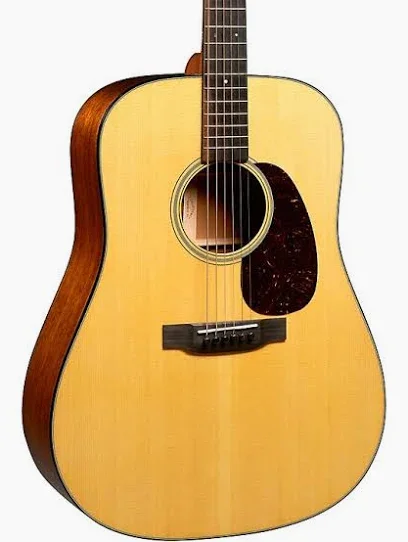
Martin Super D-18
Taylor Next Gen Builder’s Edition 814ce
If the Martin is a hammer, the new Gold Label 814ce is a scalpel. Between the beveled armrest and the aggressively rolled fretboard edges, physical friction is practically zero. If your repertoire leans into modern progressive styles with wide intervals and extended voicings all the way up the register, the updated V-Class bracing guarantees the intonation stays dead-on. You spend less energy fighting the instrument and more time actually playing it.
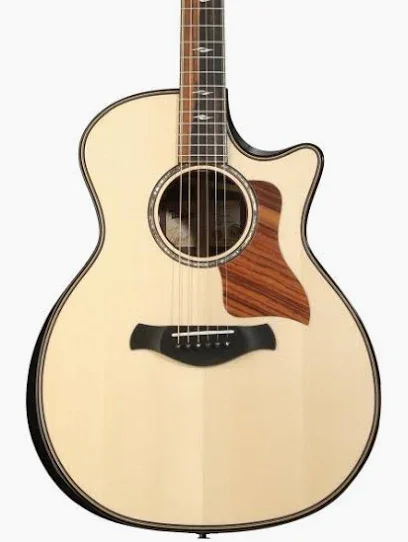
Taylor 814ce
The Electrics: Clinical Control and Dynamics
ESP LTD JD-I (Joe Duplantier Signature)
Do not let the Gojira pedigree fool you into thinking this offset is just a blunt object for standard metal. The JD-I is built for clinical precision. The three-piece roasted maple neck paired with 22 extra-jumbo stainless steel frets provides an incredibly slick runway. Whether you are laying down heavily syncopated rhythms or executing flawless economy picking runs, the Hipshot hardtail bridge keeps the string tension perfectly anchored and the intonation rock-solid.
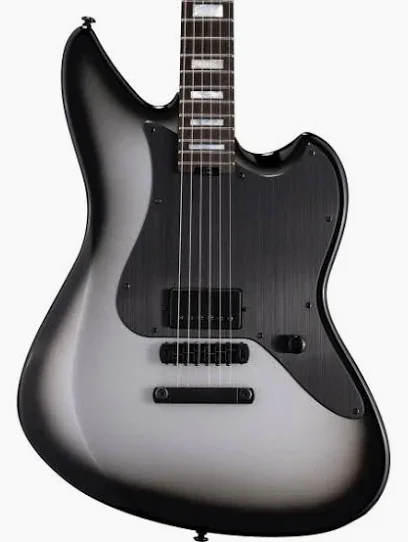
ESP LTD JD
Yamaha Chris Buck Signature Revstar RS02CB
Yamaha’s latest Revstar expansion is a sleeper hit for players who demand extreme dynamic control right from their fingertips. The chambered body reduces weight and heightens acoustic resonance, but the real weapon is the custom-voiced, lower-output P-90 pickups. Instead of relying entirely on your pedalboard for a boost, the pickups are highly touch-sensitive. It is an incredibly clever way to pivot from a glassy, articulate clean tone directly into a thick, pushing lead just by digging in with your right hand.
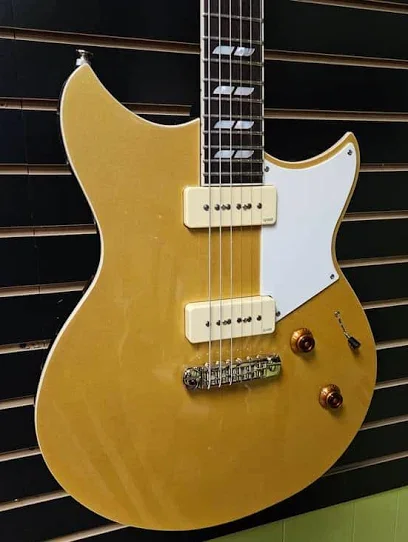
Revstar RS02CB
The Golden Rule for Any Guitar
No matter if you are buying a $200 Fender or a $3,500 Martin, the most important thing you can do is take it to a local guitar tech for a setup. Even brand-new guitars straight from the factory rarely have perfect string height or intonation out of the box. A good setup will lower the action, adjust the neck, and make sure the instrument isn't fighting you.
Pick the one that feels right, get it set up, and start playing!